Barbera d’Alba: Complete Guide to Piemonte's Premier Red Wine
Introduction
In Piemonte, few wines command as much respect among connoisseurs as Barbera d’Alba. This exceptional rouge italien represents one of Italy’s most food-friendly red wines, offering a perfect balance of intensity and elegance that has captivated wine lovers for decades. While Nebbiolo often steals the spotlight in this renowned wine region, le Barbera d’Alba quietly maintains its position as an essential expression of Piedmontese winemaking excellence.
This comprehensive guide will take you through everything you need to know about this remarkable appellation, from its DOC regulations and production methods to its distinctive characteristics and perfect food pairings. Whether you’re building your wine stock or simply curious about Italian wine culture, understanding Barbera d’Alba opens a window into the rich viticultural heritage of the région.
For visitors skiing in Limone Piemonte, exploring the nearby Barbera d’Alba wine country offers a unique and enriching experience. Just a scenic drive away, the vineyards and wineries of the Piedmont region provide a perfect day trip or an unforgettable detour from the slopes. Combining the thrill of skiing with the pleasure of tasting some of Italy’s finest red wines creates a memorable blend of adventure and culture.
Key Takeaways
- ✓Barbera d’Alba is a prestigious DOC red wine from the Piedmont region of Italy, known for its vibrant acidity, intense fruit flavors, and excellent food pairing versatility.
- ✓The appellation covers over 2,500 hectares around Alba, producing wines exclusively from the Barbera grape with strict regulations on production, aging, and alcohol content
- ✓Barbera d’Alba wines are characterized by a deep ruby red color, complex aromas of cherry, strawberry, and spice, and a balanced palate with fine tannins and lively acidity.
- ✓The wine can be enjoyed young for its fresh fruitiness or aged for 5-7 years (or longer) to develop richer, more complex flavors enhanced by oak aging.
- ✓Ideal food pairings include pasta with tomato-based sauces, grilled meats, regional Piedmontese dishes, and aged cheeses, making it a highly food-friendly wine.
- ✓The region embraces sustainable viticulture practices, with many producers using organic and biodynamic methods to enhance wine quality and terroir expression.
- ✓Barbera d’Alba offers both accessible and sophisticated options, suitable for everyday enjoyment as well as special occasions, embodying the rich winemaking heritage of Piedmont.
Getting from Limone
Traveling from Limone Piemonte to the Barbera d’Alba wine region offers a scenic and culturally rich journey through the heart of Piedmont. The distance between Limone Piemonte and Alba, the central town of the Barbera d’Alba appellation, is approximately 130 kilometers (about 81 miles), and the trip typically takes around 2 to 2.5 hours by car.
Starting from Limone Piemonte, head northeast on the SS20 road, which winds through the picturesque valleys and alpine landscapes. Continue toward Cuneo, a key regional hub, by following the signs for the SS20 and then the SS231. After reaching Cuneo, take the SS231 eastbound toward Alba. This route passes through charming Piedmontese countryside, dotted with vineyards and historic villages.
For those preferring public transportation, a combination of regional trains and buses can be used. From Limone Piemonte, take a train to Cuneo, then transfer to a regional train heading to Alba. While public transit options require some planning and transfers, they provide an opportunity to enjoy the stunning landscapes without the stress of driving.
Many visitors combine a visit to the Barbera d’Alba region with other nearby attractions, such as the Langhe hills, famous for their vineyards and truffles. The journey from Limone Piemonte to Barbera d’Alba is not only a transfer but an immersive experience in Piedmont’s diverse geography and rich wine culture.
Whether traveling by car or public transport, the route from Limone Piemonte to Barbera d’Alba is straightforward and rewarding, making it an excellent addition to any Piedmont itinerary.
Understanding Barbera d’Alba
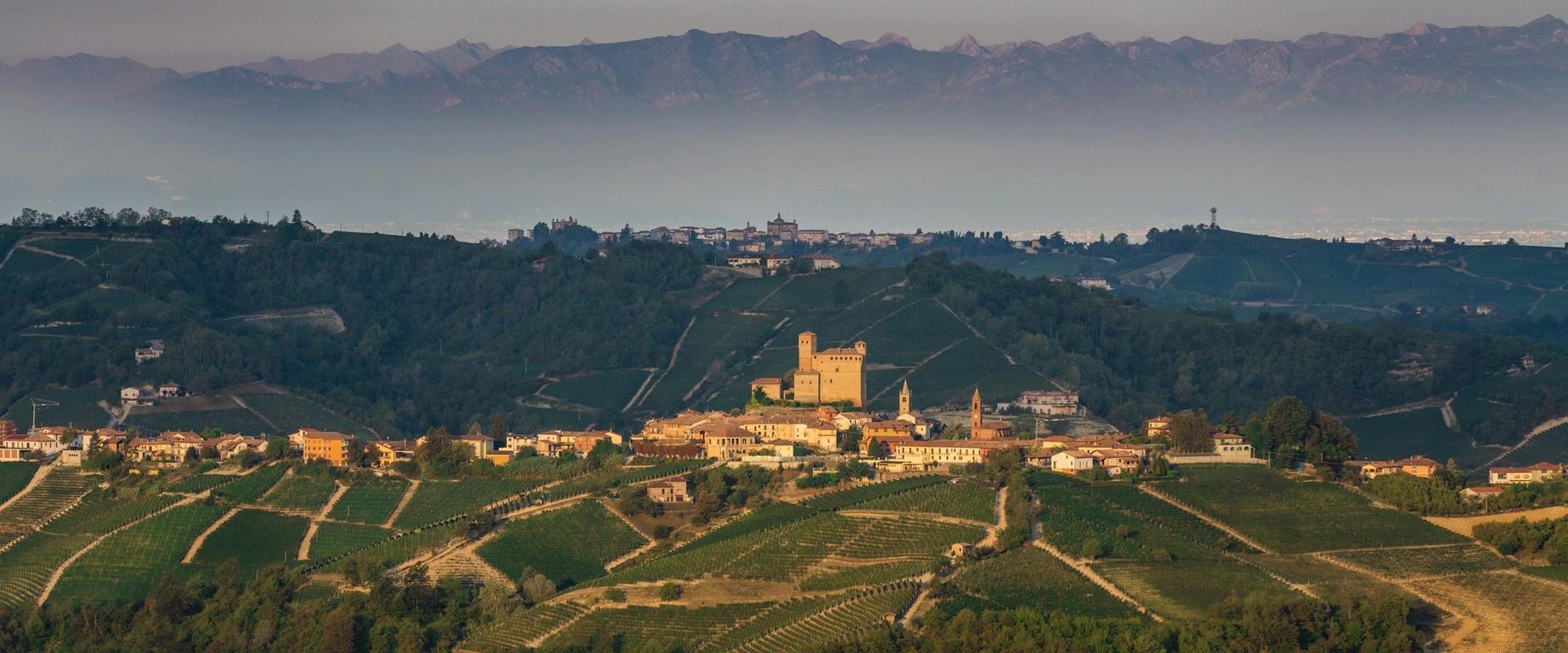
The Barbera d’Alba appellation is situated in the renowned Piedmont (Piémont) region of northern Italy, an area celebrated for its rich winemaking heritage and diverse terroirs. This region is characterized by rolling hills, limestone-rich soils, and a temperate continental climate that combines warm summers with cold winters, creating ideal conditions for cultivating the Barbera grape.
The vineyards of Barbera d’Alba are primarily located around the historic town of Alba, within the province of Cuneo. This area benefits from a unique microclimate influenced by the nearby Alps and the Tanaro River valley, which moderates temperatures and helps preserve the grape’s natural acidity—one of the hallmarks of Barbera wines.
Soils in the region vary from clay and marl to sandy and calcareous compositions, contributing to the complexity and distinctive characteristics of the wines. The diverse terrain allows growers to produce a range of styles, from fresh and fruity young wines to more structured and age-worthy expressions.
Understanding the region’s cultural and historical context is also essential. Piedmont has a centuries-old tradition of viticulture, with Barbera playing a central role alongside other prestigious grapes such as Nebbiolo and Dolcetto. The region’s commitment to quality and terroir expression is reflected in the strict DOC regulations governing Barbera d’Alba production, ensuring that the wines maintain their authentic Piedmontese identity.
This combination of geography, climate, soil, and tradition makes the Barbera d’Alba region a fascinating and rewarding area for wine lovers to explore, offering wines that truly express the essence of Piedmont’s terroir.
Top Wineries to Visit
The Barbera d’Alba region is home to numerous esteemed wineries that showcase the rich tradition and quality of this prestigious appellation. Visiting these wineries offers an immersive experience into the winemaking process, terroir, and culture of Piedmont.
- Elio Sandri
Located in Monforte d’Alba, Elio Sandri is renowned for its artisanal approach and commitment to organic viticulture. The winery produces elegant Barbera d’Alba Superiore wines with extended aging, highlighting the depth and complexity of the grape. Visitors can enjoy guided tours of the vineyards and cellars, followed by tastings of their limited-production wines in a warm, welcoming setting. - G.D. Vajra
Based in Barolo, G.D. Vajra is a family-owned estate with a strong reputation for producing high-quality Barbera d’Alba alongside their celebrated Nebbiolo wines. Their estate offers educational tours focusing on sustainable practices and traditional fermentation techniques, with tastings that reveal the balance and finesse of their Barbera wines. - Vietti
One of the most iconic producers in the region, Vietti combines modern winemaking with respect for tradition. Their Barbera d’Alba wines are known for vibrant fruit character and aging potential. The estate welcomes visitors for cellar tours, tastings, and cultural events, providing insight into the history and innovation behind their wines. - Pio Cesare
Established in Alba since 1881, Pio Cesare is a historic winery with a prestigious reputation. Their Barbera d’Alba offerings are rich and powerful, reflecting the classic style of the region. The winery provides comprehensive tours that include vineyard walks, cellar visits, and tastings of their broad portfolio. - Cascina Ballarin
A smaller, family-run estate in the heart of the Barbera d’Alba zone, Cascina Ballarin emphasizes biodynamic farming and minimal intervention winemaking. Visitors can experience intimate tastings and learn about the nuances of terroir expression in their Barbera wines.
These wineries represent just a selection of the excellent producers in the Barbera d’Alba region. Many estates offer appointments for tastings and tours, providing wine lovers with opportunities to deepen their appreciation of this vibrant Italian appellation. Whether you seek traditional methods or innovative approaches, the Barbera d’Alba wineries deliver exceptional experiences and memorable wines.
Wine Tasting Experiences
Barbera d’Alba displays a distinctive deep rouge rubis color with garnet reflections when properly aged. Young wines often show intense purple hues that gradually evolve into more complex brick-red tones, indicating the wine’s development potential over time.
The bouquet is intense and vinous, featuring prominent aromas of cherry, strawberry, and blackberry. These primary fruit characteristics are often accompanied by subtle floral notes, particularly violets et des notes of spice that develop with proper cellaring. The aromatic profile demonstrates remarkable complexity, with each sip revealing new layers of fragrance.
On the palate, Barbera d’Alba presents medium to full body characteristics avec des tanins fins that provide structure without overwhelming the fruit expression. The wine’s signature feature is its balanced acidity, which creates a fresh, lively sensation en bouche while maintaining elegance and drinkability.
As the wine develops complexity with age, it reveals fascinating notes of dark cherry, spiced plum, and subtle hints of vanilla when oak aging is employed. The harmonious integration of fruit, acidity, and tannins creates a wine that is both immediately appealing and capable of long-term cellaring.
Serving & Pairing Barbera d’Alba Wines
Barbera d’Alba should be served at 16-18°C to achieve optimal flavor expression, allowing both the fruit characteristics and structural elements to present themselves harmoniously. This temperature range enables the wine’s acidity to provide refreshing contrast while maintaining the richness of its flavor profile.
The wine pairs perfectly with pasta dishes, particularly those featuring rich tomato-based sauces where the wine’s acidity complements the dish’s natural flavors. Grilled meats, especially lamb and beef preparations, create exceptional combinations avec le wine’s structured tannins and fruit intensity.
Regional cuisine pairings include classic Piedmontese dishes such as lasagna bolognese, where the wine’s acidity cuts through rich cheese and meat flavors. The wine also complements charcuterie boards featuring local salumi and aged fromages, creating authentic Italian dining experiences.
Mediterranean cuisine finds an ideal companion in Barbera d’Alba, particularly dishes featuring herbs, olive oil, and grilled vegetables. The wine’s versatility extends to roasted lamb with rosemary, brasato al Barolo (when used as a cooking wine), and even certain seafood preparations that can handle the wine’s intensity.
For skiers in Limone Piemonte, ending a day on the slopes with a glass of Barbera d’Alba at a nearby trattoria or enoteca is a perfect way to unwind. Many local restaurants offer selections of regional wines, allowing visitors to savor the authentic flavors of Piedmont without straying far from their ski base.
Wine Purchasing & Collection Tips
When looking to purchase Barbera d’Alba wines, it is important to consider both the style and quality to find the best match for your preferences and occasions. These wines are widely available from specialty wine shops, online retailers, and directly from wineries in the Piedmont region.
Barbera d’Alba offers a range of options, from fresh and fruity young wines to more complex and aged Superiore versions. Prices vary accordingly, with approachable bottles suitable for everyday enjoyment as well as premium selections for collectors and special events. Keep an eye out for reputable producers such as Elio Sandri, G.D. Vajra, Vietti, and Pio Cesare, who consistently deliver high-quality expressions of this appellation.
Purchasing from trusted sources ensures that you receive wines stored under optimal conditions, preserving their vibrant acidity and fruit character. Many retailers provide detailed tasting notes and food pairing suggestions to help guide your choice.
For those interested in exploring a variety of styles, consider buying mixed cases or sampler packs that showcase different producers and vintages. This approach offers a comprehensive experience of Barbera d’Alba’s versatility and complexity.
If visiting the Piedmont region, buying directly from wineries can provide unique access to limited-production bottles and expert advice. Many producers also offer shipping options for international customers, making it easier to enjoy these Italian treasures worldwide.
Remember to store Barbera d’Alba wines in a cool, dark place with stable temperatures to maintain their quality over time. Proper storage is especially important for aged bottles or Superiore wines with extended aging potential.
By choosing carefully and purchasing from reliable sources, you can enjoy the full range of Barbera d’Alba wines, from vibrant and youthful to rich and mature, enhancing your wine collection and dining experiences.
Frequently Asked Questions
What is Barbera d’Alba?
Where is Barbera d’Alba produced?
What are the typical tasting characteristics of Barbera d’Alba?
How long can Barbera d’Alba wines be aged?
What foods pair well with Barbera d’Alba?
What is the difference between Barbera d’Alba and Barbera d’Alba Superiore?
Is Barbera d’Alba produced using sustainable or organic methods?
Where can I buy Barbera d’Alba wines?
What is the ideal serving temperature for Barbera d’Alba?
Can Barbera d’Alba be found outside Italy?
Explore Other Regions
Plan Your Trip to Barbera d’Alba
Let us help you plan the most perfect day exploring Barbera d’Alba.
Get Planning Help