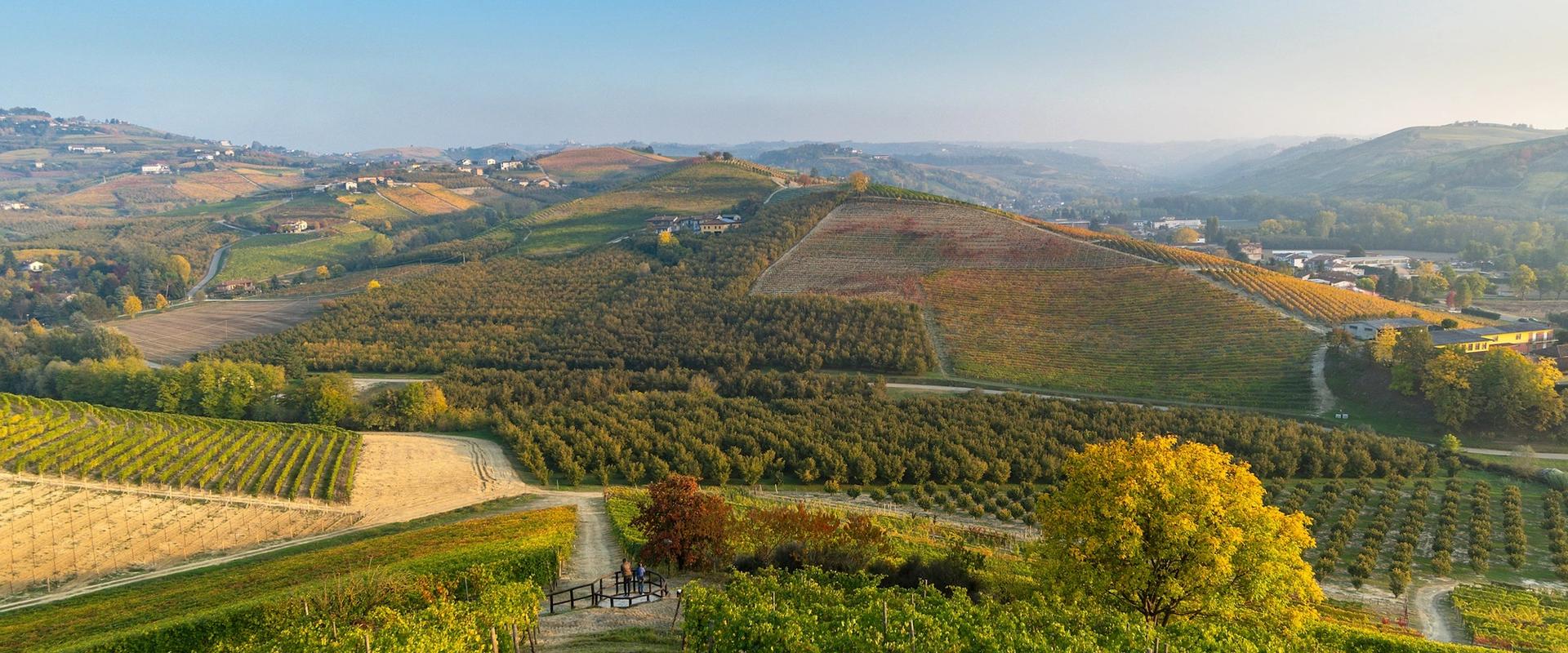
"king of wines and wine of kings"
Barolo: Your Complete Guide to Visiting Piemonte's Iconic Wine Producers
75km from Limone
Introduction
Known as the “King of Wines,” Barolo embodies the power and elegance of Piedmont’s winemaking heritage. Every Barolo winery in this prestigious region follows strict DOCG regulations to craft wines that are revered by collectors and connoisseurs worldwide. Whether you’re a first-time visitor or a seasoned wine lover, exploring Barolo wineries from Limone will deepen your appreciation of this legendary appellation and its unique terroir.
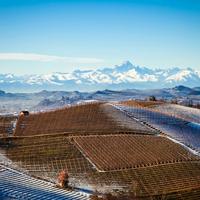
For travelers based in Limone, a day trip to Barolo offers a stunning contrast to alpine surroundings. Located about 2.5 to 3 hours away by car, the journey leads from the snow-capped Maritime Alps to the rolling hills of Piedmont’s Langhe region, where you can indulge in robust wine tastings amid charming medieval villages.
This guide covers everything you need to plan your visit to Barolo wineries from Limone, including travel tips, top producers to visit, and practical advice for an unforgettable wine tasting experience in this UNESCO World Heritage landscape.
Key Takeaways
- ✓Barolo wineries produce some of Italy’s most prestigious red wines using 100% Nebbiolo grapes with a minimum aging of 38 months, including at least 18 months in barrels
- ✓The Barolo region covers approximately 1,200 hectares across 11 main communes, including Barolo, La Morra, Monforte d’Alba, Castiglione Falletto, and Serralunga d’Alba
- ✓Wine tasting experiences at Barolo wineries average around €40-€70, with most requiring advance reservations; bottle prices typically start at €40 and can go much higher for older vintages
- ✓You can purchase bottles directly from wineries or from the many local stores, making it easy to bring home your favorite wines
- ✓Barbera is another important grape variety in the region, and tasting Barbera wines is highly recommended alongside Barolo
- ✓The area is known for its abundance of wine stores and shopping opportunities, offering a wide selection for wine enthusiasts to explore and compare
- ✓Notable wineries include E. Pira & Figli, G.D. Vajra, and Cascina Fontana, known for their exceptional Nebbiolo expressions and diverse winemaking styles
- ✓Barolo wines offer excellent aging potential of 10-20+ years and pair beautifully with rich meats, truffle dishes, and traditional Piedmontese cuisine
Getting from Limone
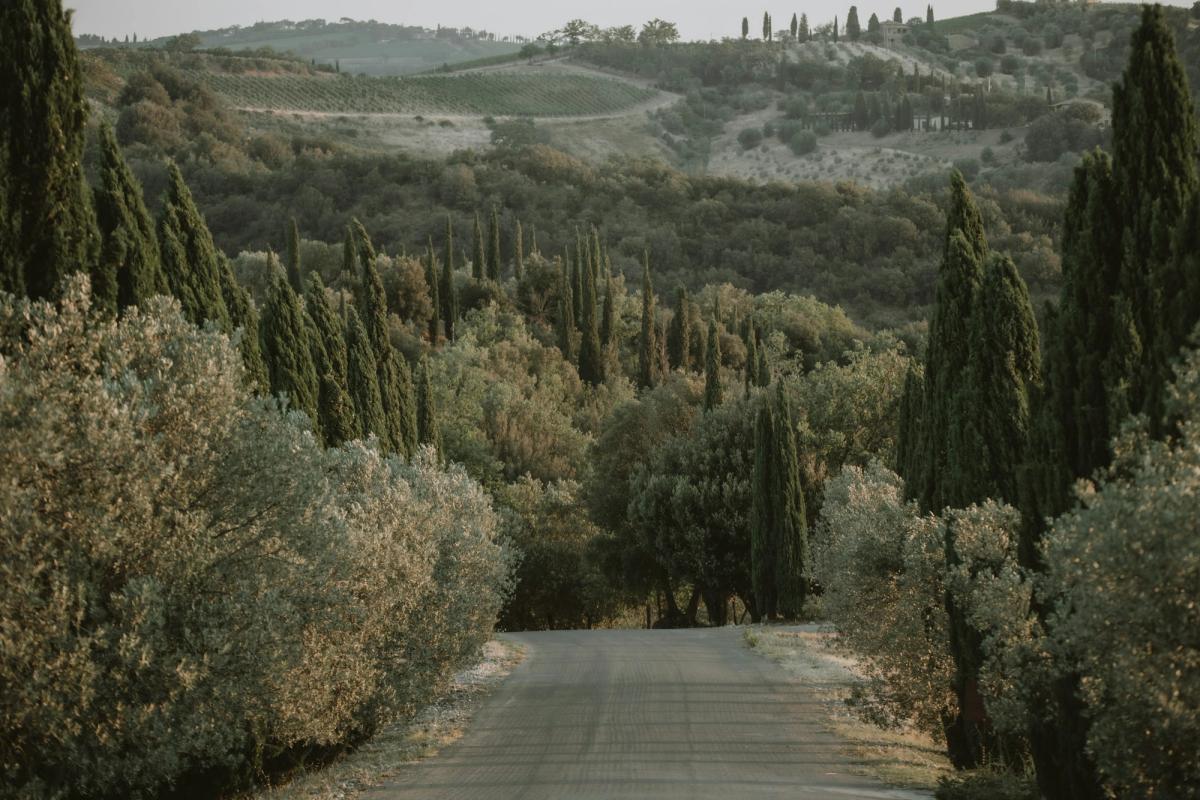
Traveling from Limone to Barolo is convenient by car, with picturesque routes highlighting northern Italy’s diverse landscapes. The drive spans approximately 180 kilometers and typically takes 2.5 to 3 hours, depending on traffic and weather. Renting a car offers the greatest flexibility to explore multiple wineries and nearby villages at your own pace.
If crossing an international border, such as from Switzerland, it is important to understand border rules and customs regulations concerning wine import limits. Be sure to declare any wine purchase as required. Note: You can purchase wine not only at wineries but also at local stores or during shopping stops along the way.
For those who prefer not to drive, joining a group tour is a convenient option, as these often include transportation, guided winery visits, and tastings. It is almost impossible to rely solely on public transportation for a full wine tour, so group tours or car rentals are recommended. Public transportation options exist but are less practical for a full-day wine excursion due to multiple connections.
Understanding Barolo
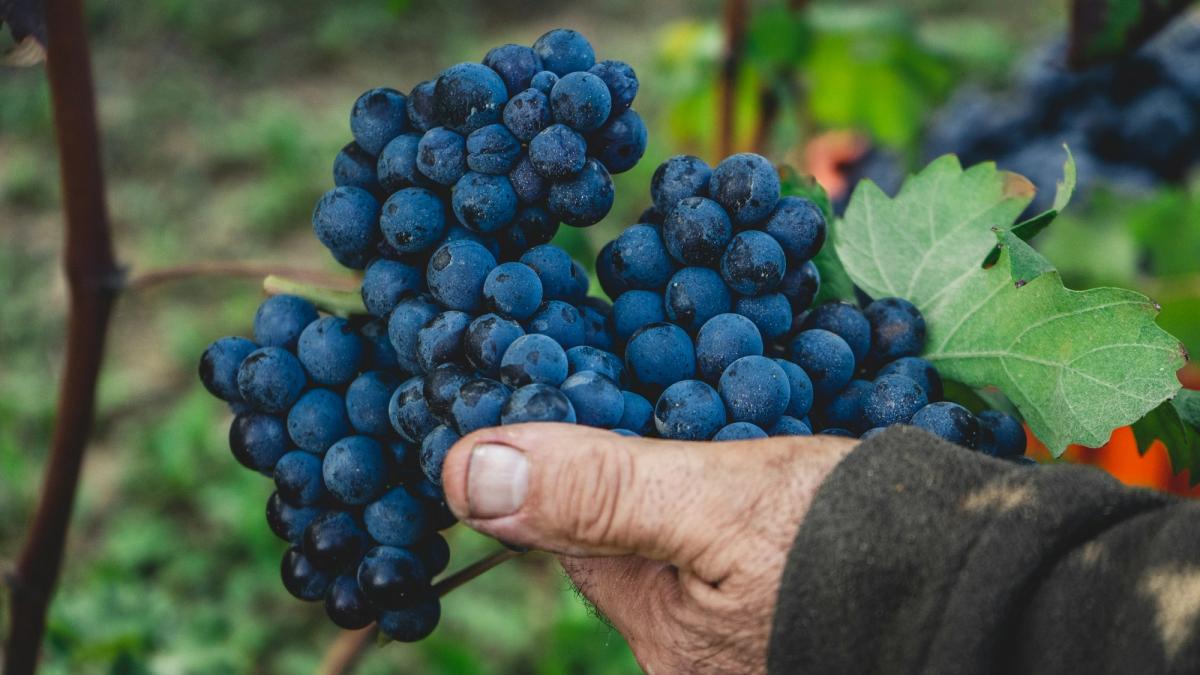
The Barolo DOCG was established in 1980 and encompasses about 1,200 hectares spread over eleven communes: Barolo, La Morra, Monforte d’Alba, Castiglione Falletto, Serralunga d’Alba, and others. The evolution et classification of Barolo reflect the region’s deep-rooted winemaking heritage and the ongoing refinement of its appellation system. This appellation produces some of Italy’s most powerful and complex Nebbiolo wines, characterized by intense tannins, deep aromas, and a remarkable aging potential. Il Barolo stands as a symbol of Italie’s winemaking excellence.
The Nebbiolo grape, known locally as “Nebie,” thrives in the terroir de la région, specifically Barolo’s calcareous marl soils, and benefits from the region’s continental climat with warm summers and cold winters. Vineyards are typically situated on south and southwest-facing slopes between 200 and 450 meters elevation, optimizing sun exposure and airflow. Barbera is another important grape variety cultivated in the area, contributing to the diversity of local wines.
Barolo wines must age au moins 38 mois from November 1st of the harvest year, including at least 18 months in wooden barrels. Barolo Riserva requires at least 62 months of aging. The wine cellar and cellar play a crucial role in this maturation process, with dedicated rooms for aging and tastings. These regulations ensure that wines develop their signature structure, complexity, and elegance. Se dégustant idéalement à une température de 18°C, the wine’s structure and maturation are best appreciated with proper serving. Explain that this lengthy aging process is essential for Barolo to reveal son unique profile and cultural significance as a premium vin from Italy.
Winemaking styles in Barolo range from traditional methods with long macerations and aging in large oak casks to modern approaches using shorter fermentations and smaller French oak barrels. Many producers have decided to blend these techniques to craft wines that respect tradition while offering early drinkability. A group of innovative winemakers, such as the Barolo Boys, has contributed to the region’s stylistic evolution, sometimes producing wines with a more forward flavor profile. The business of wine tourism and production is integral to the region’s economy and global reputation.
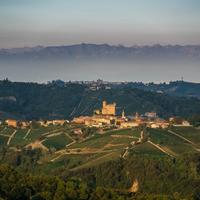
The Barolo region’s vineyard landscape was recognized as a UNESCO World Heritage site in 2014, emphasizing its cultural and historical significance alongside its ongoing innovation in winemaking. The climat of the Langhe region, with its unique temperature variations and seasonal patterns, plays a vital role in shaping the tannin structure and aromatic complexity of Barolo wines.
Characteristics & Style
Barolo wines are 100% Nebbiolo, celebrated for their powerful tannins, complex aromas, and high acidity. The mandatory aging process—au moins 38 mois—softens the grape’s natural intensity, revealing notes of cherry, tar, rose petals, truffle, licorice, and spices. Some Barolo wines display a forward character, with pronounced flavors that make an immediate impact on the palate. Barolo stands out as a premium vin from Italy, renowned for son unique profile and esteemed reputation.
Young Barolo typically shows a garnet color with ruby edges, deepening to brick red as it ages. Traditional Barolo wines undergo long macerations and aging in large oak casks, resulting in structured wines that require years to reach their full potential. The structure of Barolo se prête particulièrement bien à une longue maturation, and it is best served at 18°C to fully appreciate its complexity. The climat of the Langhe region plays a crucial role in shaping Barolo’s characteristics, influencing grape ripening, tannin structure, and aromatic profile.
Note: For the best tasting experience, decant Barolo for at least an hour before serving to allow the aromas to open up.
Barbera, another important grape variety in Piedmont, offers a contrasting style with softer tannins and brighter acidity, making it a popular choice alongside Barolo.
Explain: The complexity and aging potential of Barolo are the result of both traditional winemaking and the unique terroir of the region, which together create a wine of remarkable depth and longevity.
Top Wineries to Visit
Exploring Barolo wineries reveals a community passionate about Nebbiolo’s potential and diversity. Each estate offers unique insights into vineyard management, winemaking philosophy, and the appellation’s rich heritage. Many of these family-run wineries are not only dedicated to tradition but also operate as thriving businesses, welcoming visitors into their tasting rooms and impressive cellars where wines are aged in carefully maintained wine cellars.
At several estates, group tours are available, providing a more personalized and interactive experience. Note: It’s possible to purchase bottles directly from the winery after your tasting, making shopping for rare vintages or current releases convenient. Wines are also available at local stores throughout the region. Prices for tastings typically range from €20 to €50 per person, and bottle prices vary depending on the producer and vintage.
E. Pira & Figli – Pioneers of Modern Barolo
Located in the heart of Barolo town, E. Pira & Figli is renowned for combining tradition with innovation. Chiara Boschis, the pioneering winemaker at E. Pira & Figli, is celebrated for her role in modernizing Barolo winemaking and is personally involved in tastings and tours. The estate offers stunning tours of their production facilities, aging cellars, and a tasting experience led by passionate experts. Their vineyards include famous crus such as Cannubi and Mosconi, producing some of the region’s finest Barolo wines.
Contact Information:
- Location: Via Vittorio Veneto, 1, Barolo
- Reservations: Recommended
- Tasting Experience: Guided tours and tastings of single-vineyard and blended Barolo wines
G.D. Vajra – Expressing Terroir Diversity
G.D. Vajra is a family-owned winery in Barolo known for blending traditional and modern techniques. Their portfolio includes elegant Barolo, Barbaresco, Barbera, and Langhe Nebbiolo wines. Visitors can learn about soil differences, the unique climat of their vineyards, and winemaking choices that influence the wine’s character.
Contact Information:
- Address: Piazza della Vite e del Vino, 1, Barolo
- Tours: Available by appointment
- Specialties: Barolo, Barbaresco, Langhe Nebbiolo
Cascina Fontana – Low-Intervention Excellence
Cascina Fontana is a small family-run winery focusing on natural winemaking with minimal intervention. Their tasting experiences showcase the evolution of Barolo through different aging stages, providing a unique perspective on the Nebbiolo grape’s transformation. Visitors can tour the cellar and wine cellar to observe the wine aging process firsthand. Tastings are held in dedicated tasting rooms, and group tastings are available by reservation.
Contact Information:
- Location: Novara, near Barolo
- Reservations: Required
- Tasting Experience: Educational tastings highlighting wine aging processes
Accommodations & Activities in Barolo
When visiting the Barolo winery region, you'll find a range of accommodation options to suit various tastes and budgets. Charming boutique hotels, cozy bed and breakfasts, and countryside agriturismos offer authentic experiences immersed in the picturesque Langhe landscape. Many accommodations are located in or near the quaint villages of Barolo, La Morra, and Monforte d’Alba, providing convenient access to vineyards and wine cellars.
For a more luxurious stay, some estates offer vineyard-view suites and exclusive packages that include private wine tastings and tours. Booking in advance is recommended, especially during the busy harvest season and local festivals.
Beyond wine tasting, the Barolo region offers plenty of activities to enrich your trip. Take leisurely walks or hikes through rolling vineyards and scenic hills, where you can admire historic castles and ancient churches dotting the landscape. The town centers are perfect for exploring local markets, artisan shops, and enjoying traditional Piedmontese cuisine at family-run restaurants.
Cultural experiences include visiting the Barolo Wine Museum housed in the medieval castle, where you can learn about the history and production of this iconic wine. Seasonal events and food festivals celebrate local specialties like truffles, cheeses, and hearty meat dishes, often paired with Barolo and Barbera wines.
For those interested in broader exploration, day trips to the nearby Asti region offer a contrast with its famous sweet Moscato wines and lively town squares. Whether you prefer a relaxing stay amid vineyards or an active itinerary filled with cultural and culinary delights, the Barolo region has something to offer every visitor.
Serving & Pairing Barolo Wines
To fully enjoy the complexity and elegance of Barolo wines, proper serving and pairing are essential. Barolo is best served slightly below room temperature, ideally between 16°C and 18°C (60°F to 65°F). Given its robust tannins and rich structure, it is recommended to decant Barolo for at least one hour before serving to allow the wine to breathe and reveal its complex aromas and flavors.
When it comes to food pairings, Barolo’s bold character and high acidity make it a perfect companion to rich and flavorful dishes. Classic pairings include red meats such as braised beef, roasted lamb, and game like venison or wild boar. The wine’s earthy and aromatic profile also complements dishes featuring truffles, mushrooms, and aged cheeses, which are specialties of the Piedmont region.
For a traditional Piedmontese experience, try pairing Barolo with risotto al tartufo (truffle risotto) or tajarin pasta with butter and sage. The wine’s tannins cut through the richness of these dishes, creating a harmonious balance that elevates both the food and the wine.
Barbera, another prominent grape variety in the region, offers a lighter and fruitier alternative that pairs well with everyday meals, including pizza and pasta with tomato-based sauces. Together, Barolo and Barbera provide a versatile range of options for wine lovers to enjoy the diverse flavors of Piedmont’s culinary heritage.
Wine Purchasing & Collection Tips
When purchasing Barolo wines, it’s important to consider both the vintage and the producer to ensure you select bottles with excellent aging potential and quality. Many Barolo wineries offer exclusive releases and limited editions that can become prized additions to any wine collection. Buying directly from a barolo winery often provides access to these special bottles, as well as expert advice from the owners or staff.
For collectors, proper storage is essential to maintain the wine’s integrity and allow it to mature gracefully. Barolo wines benefit from a consistent, cool environment with humidity control, ideally stored horizontally in a dedicated wine cellar or wine fridge. Investing in a few bottles from different vintages can offer a fascinating journey through the evolving styles and expressions of this iconic Piedmontese wine.
If you plan to bring a dozen or more bottles back home, be mindful of customs regulations and transportation conditions to protect your investment. Many wineries provide professional packing for safe travel, and it’s always a good idea to insure valuable shipments. Whether you’re a seasoned collector or a passionate enthusiast, purchasing Barolo wines directly from the source adds a bit of fun and authenticity to your wine experience.
Explore Other Regions
Plan Your Trip to Barolo
Let us help you plan the most perfect day exploring Barolo.
Get Planning Help